10 Best Condenser Microphones For Vocals 2026 in the United States

Related Products
Our technology thoroughly searches through the online shopping world, reviewing hundreds of sites. We then process and analyze this information, updating in real-time to bring you the latest top-rated products. This way, you always get the best and most current options available.

Our Top Picks
Winner
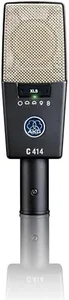
AKG Pro Audio C414 XLS Studio Grade Professional Large Diaphragm Vocal and Instrument Condenser Microphone with Rugged Aluminum Carrying Case. XLR Connector. Gray with Gold
Most important from
1314 reviews
The AKG Pro Audio Condenser Microphone (C414 XLS) is a versatile and high-performance option for vocal recordings. With a wide audio frequency range of 20-20000 Hz, it captures a broad spectrum of vocal nuances with clarity and detail. The microphone offers nine selectable polar patterns, including Cardioid, Figure of Eight, and Omnidirectional, making it adaptable to various recording environments and needs. This flexibility is beneficial for users who require different audio capturing setups, such as in studios or live performances.
The sensitivity of 23 mV/Pa ensures it picks up even subtle sounds, while the low self-noise level of 6 dB-A helps maintain a clean and clear audio signal, minimizing unwanted background noise. Its Signal-to-Noise ratio of 88 dB-A contributes to clear recordings by reducing noise interference. The microphone's peak hold LED feature is great for monitoring and preventing overload peaks, ensuring the integrity of the recorded sound.
However, the complexity of nine polar patterns might be overwhelming for beginners who may not need such advanced options. Additionally, its robust and metal build makes it durable, but it also adds to the weight (10.6 ounces), which might be a consideration for extended handheld use. Connectivity via XLR makes it compatible with most audio interfaces, though it requires additional equipment like an audio interface or mixer, which could be an extra expense for some users. This microphone is well-suited for professional recording artists and sound engineers who need a reliable, versatile, and high-quality microphone for detailed vocal recordings.
Most important from
1314 reviews
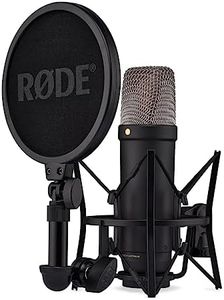
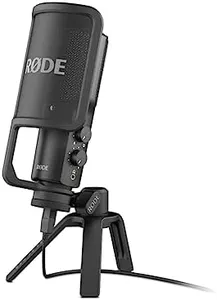
RØDE NT1 5th Gen Large-Diaphragm Studio Condenser Microphone - XLR & USB Outputs - Shock Mount & Pop Filter Included - Music Production, Vocal Recording, Podcasting - Black - Professional Audio
Most important from
6453 reviews
The RØDE NT1 5th Generation condenser microphone is a strong contender in the vocal recording space, perfect for both home studios and professional setups. Its frequency response and unidirectional polar pattern ensure that it captures vocals with impressive clarity while minimizing background noise. One of its standout features is the ultra-low self-noise level of just 4 dB, making it ideal for detailed recordings where subtle nuances matter. The high SPL handling capability allows it to capture loud sounds without distortion, which is a plus for musicians working with diverse instruments.
Connectivity is a breeze with dual options—XLR for traditional setups and USB for direct connection to computers. This versatility makes it user-friendly for beginners and seasoned pros alike. Additionally, the inclusion of a shock mount and pop filter adds value by reducing unwanted vibrations and plosive sounds during recordings.
It's worth noting that while the microphone excels in many areas, it might not be the best choice for those seeking a highly portable solution. Its larger size and the need for a stable setup could be a drawback for mobile recording needs. Furthermore, while the price reflects its quality, budget-conscious users might find it slightly on the higher end compared to other entry-level options. The RØDE NT1 5th Generation is an excellent investment for vocalists, podcasters, and music producers looking for high-quality sound. Its strengths lie in sound clarity, low noise, and versatile connectivity, though its size and price may be considerations for some users.
Most important from
6453 reviews
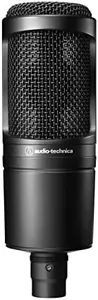
Audio-Technica AT2020 Cardioid Condenser Studio XLR Microphone, Ideal for Project/Home Studio Applications, Black
Most important from
20559 reviews
The Audio-Technica AT2020 is a well-regarded condenser microphone tailored for project and home studio use, particularly for vocal recordings. One of its standout features is the cardioid polar pattern, which effectively minimizes background noise by focusing on the sound directly in front of the mic, making it suitable for environments with less-than-perfect acoustics. The microphone's frequency response is quite broad, providing clear and detailed sound across various vocal ranges. Additionally, the AT2020 can handle high sound pressure levels, which means it can capture loud sounds without distortion, adding to its versatility.
The custom-engineered diaphragm ensures a superior transient response, capturing the nuances of vocal performance with precision. Connectivity is straightforward with an XLR connector, making it compatible with various audio interfaces and recording devices. However, it does require phantom power, which is standard for condenser mics but something to keep in mind if you're new to this type of equipment.
One potential drawback is its self-noise level of 20 dB, which, while acceptable for most home studios, may not be ideal for very quiet recording environments. The microphone is also wired, which may limit movement to some extent. Despite these minor issues, the AT2020 offers an excellent balance of price and performance, making it a solid choice for aspiring vocalists and home recording enthusiasts.