We Use CookiesWe use cookies to enhance the security, performance, functionality and for analytical and promotional activities. By continuing to browse this site you are agreeing to our privacy policy

10 Best Backpacking Sleeping Pads 2025 in the United States

How do we rank products for you?

Our technology thoroughly searches through the online shopping world, reviewing hundreds of sites. We then process and analyze this information, updating in real-time to bring you the latest top-rated products. This way, you always get the best and most current options available.

headphones-stars

Our Top Picks

#1

Winner

Nemo Equipment Tensor Extreme Conditions Sleeping Pad - Regular Wide (72"x25") - Black/Birch Bud/Citron

Rating
10.0
Chosen by1,122
Weight
Insulation (R-Value)
Type (Foam vs. Inflatable)

Most important from
62 reviews

Weight
Its lightweight design and compact pack size make it surprisingly easy to carry without sacrificing insulation or comfort.
Insulation (R-Value)
This sleeping pad delivers unmatched warmth and comfort, making it perfect for cold weather backpacking and ensuring a restful night's sleep.
Type (Foam vs. Inflatable)
The included pump sack is convenient, but inflating by mouth is just as easy and faster for many users.
Comfort
This sleeping pad delivers unmatched warmth and comfort, making it perfect for cold weather backpacking and ensuring a restful night's sleep.

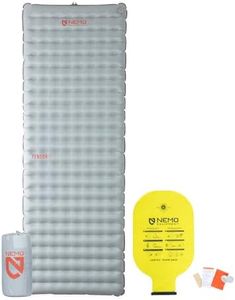
The NEMO Equipment Tensor Extreme Conditions Sleeping Pad is designed for serious backpackers who prioritize warmth and comfort in cold conditions. At 1.38 pounds, it’s relatively lightweight for a sleeping pad offering an impressive R-value of 8.5, which means it provides excellent insulation against the cold ground—ideal for colder weather camping. Its size (72" long by 25" wide) and 3.5-inch thickness strike a good balance between comfort and packability, with a plush feel that supports a good night's sleep.

The Tensor uses an inflatable design with a unique Apex baffle system and four layers of Thermal Mirror film, which helps trap heat efficiently while keeping noise low, so it won’t disturb your sleep or neighbors. The use of bluesign approved premium nylon fabric also adds durability and resistance to punctures and tears, making it reliable over time. While it’s water-resistant, it’s not fully waterproof, so you’ll want to avoid placing it on wet surfaces.

The pad requires inflation, which can take a bit of time compared to foam pads, and the included pump adds some bulk. Its width is generous but may be slightly heavier and bulkier than minimalist pads for ultralight backpackers focused solely on saving weight. This pad is an excellent choice for those who want a warm, comfortable, and durable sleeping surface for extreme conditions, though lighter alternatives exist if weight and simplicity are the main priorities.

Rating
10.0
Chosen by1,122
Weight
Insulation (R-Value)
Type (Foam vs. Inflatable)

Most important from
62 reviews

Weight
Its lightweight design and compact pack size make it surprisingly easy to carry without sacrificing insulation or comfort.
Insulation (R-Value)
This sleeping pad delivers unmatched warmth and comfort, making it perfect for cold weather backpacking and ensuring a restful night's sleep.
Type (Foam vs. Inflatable)
The included pump sack is convenient, but inflating by mouth is just as easy and faster for many users.
Comfort
This sleeping pad delivers unmatched warmth and comfort, making it perfect for cold weather backpacking and ensuring a restful night's sleep.
#2

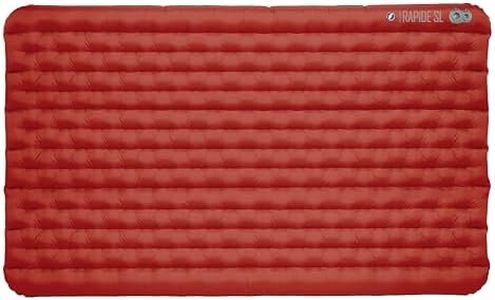
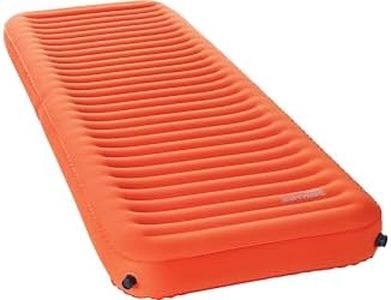
Big Agnes Rapide SL - Insulated Sleeping Pad, Ultralight, All Season Compact Backpacking And Hiking, Pumphouse Sack Included, Orange, 20x72 Regular

Rating
9.4
Comfort
Insulation (R-Value)
Size and Dimensions

Most important from
242 reviews

Comfort
This sleeping pad offers outstanding comfort and stability for a lightweight inflatable design.
Insulation (R-Value)
It provides excellent warmth thanks to its insulated construction, noticeably warmer than non-insulated pads in cool summer nights.
Size and Dimensions
The pad packs down small and holds up well to regular use, combining durability with portability.
Type (Foam vs. Inflatable)
Inflation is quick and straightforward, especially using the included pump sack, making setup less laborious than expected.
Durability
The pad packs down small and holds up well to regular use, combining durability with portability.

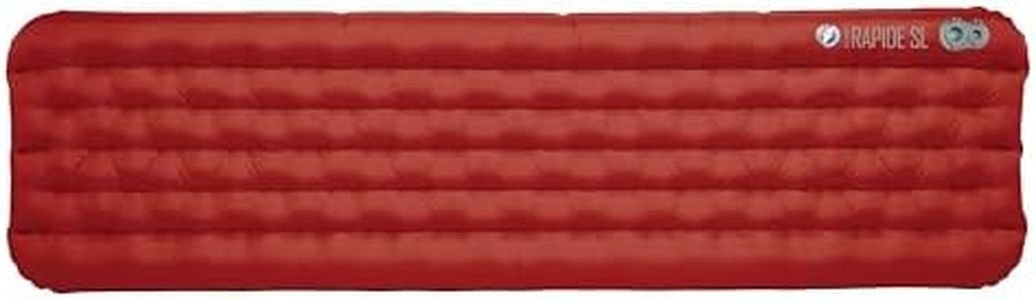
The Big Agnes Rapide SL is a lightweight, inflatable sleeping pad designed for three-season backpacking. Weighing just over a pound, it’s easy to carry on long hikes without adding much bulk. Its insulation is impressive for an inflatable pad, with an R-value of up to 4.8 thanks to two layers of heat-reflective film, keeping you warm in cooler weather. If you expect very cold conditions, pairing it with a foam pad can boost thermal protection.

Comfort-wise, the Rapide SL features a quilted top and a unique offset I-Beam design that reduces bouncing common in air pads, making for a stable and cushioned sleep surface. At just over 4 inches thick, it offers a good balance of comfort and packability. The size (20" by 72") fits most people, though taller users might want to check if the length suits them.

Durability is another strong point; made from superlight double ripstop nylon with tough TPU lamination, this pad can handle rough outdoor use while staying light. Inflation is quick and easy with the included pumphouse sack, which avoids moisture inside the pad and allows fine adjustment of firmness. While it’s firm and supportive, some may find it less plush compared to heavier, thicker pads. Also, because it’s inflatable, it may be more vulnerable to punctures than foam pads, though a repair kit is included. This pad is well-suited for backpackers who want a compact, warm, and comfortable sleeping pad without extra weight, making it a solid choice for year-round use except in extreme winter conditions.

Rating
9.4
Comfort
Insulation (R-Value)
Size and Dimensions

Most important from
242 reviews

Comfort
This sleeping pad offers outstanding comfort and stability for a lightweight inflatable design.
Insulation (R-Value)
It provides excellent warmth thanks to its insulated construction, noticeably warmer than non-insulated pads in cool summer nights.
Size and Dimensions
The pad packs down small and holds up well to regular use, combining durability with portability.
Type (Foam vs. Inflatable)
Inflation is quick and straightforward, especially using the included pump sack, making setup less laborious than expected.
Durability
The pad packs down small and holds up well to regular use, combining durability with portability.
#3

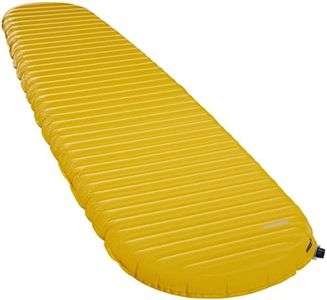
Therm-a-Rest NeoAir Xlite NXT Ultralight Camping and Backpacking Sleeping Pad, Solar Flare, Regular

Rating
9.4
Weight
Insulation (R-Value)
Size and Dimensions

Most important from
399 reviews

Weight
This sleeping pad delivers impressive comfort and warmth while remaining exceptionally lightweight, perfect for backpacking trips where every ounce counts.
Insulation (R-Value)
The pad’s insulated design maintains warmth effectively in cool temperatures, preventing body heat loss on damp or cold ground.
Size and Dimensions
Its compact size packs down to about the volume of a 1-liter bottle, making it highly convenient to carry without sacrificing sleeping comfort.
Comfort
The pad’s thickness and firmness provide solid support that prevents bottoming out, even when sleeping on the side.
Durability
Despite initial concerns about fragility, the pad proves to be tough and reliable with no issues of leaks or breaks over extended use.

The Therm-a-Rest NeoAir Xlite NXT sleeping pad is designed for backpackers who want to keep their pack light without sacrificing warmth or comfort. Weighing just 13 ounces, it’s impressively lightweight and packs down very small, about the size of a 1-liter bottle, making it easy to carry on long trips. Its 3-inch thickness and unique internal design offer solid support and comfort, which helps you sleep better on uneven ground. The pad has a strong R-value of 4.5, meaning it provides good insulation for a wide range of temperatures, suitable for most seasons except extreme cold. Made without foam, it inflates quickly using the included pump sack and deflates fast thanks to a reliable valve. The materials feel durable and it comes with a patch kit in case of punctures, but as an inflatable pad, it’s naturally a bit more vulnerable than foam pads to sharp objects.

Measuring 72 by 20 inches, the regular size fits most adults well but might feel narrow for those who move a lot in sleep. The environmentally friendlier stuff sack is a nice touch, keeping the pad protected and dry. This pad is ideal for hikers and campers who prioritize light weight and warmth in a compact package, though it requires a bit of care to avoid damage during use.

Rating
9.4
Weight
Insulation (R-Value)
Size and Dimensions

Most important from
399 reviews

Weight
This sleeping pad delivers impressive comfort and warmth while remaining exceptionally lightweight, perfect for backpacking trips where every ounce counts.
Insulation (R-Value)
The pad’s insulated design maintains warmth effectively in cool temperatures, preventing body heat loss on damp or cold ground.
Size and Dimensions
Its compact size packs down to about the volume of a 1-liter bottle, making it highly convenient to carry without sacrificing sleeping comfort.
Comfort
The pad’s thickness and firmness provide solid support that prevents bottoming out, even when sleeping on the side.
Durability
Despite initial concerns about fragility, the pad proves to be tough and reliable with no issues of leaks or breaks over extended use.

Buying Guide for the Best Backpacking Sleeping Pads

Choosing the right backpacking sleeping pad is crucial for a comfortable and restful night's sleep in the great outdoors. A good sleeping pad provides insulation from the cold ground, cushioning for comfort, and can significantly impact the quality of your sleep. When selecting a sleeping pad, consider factors such as weight, insulation, size, and type to ensure it meets your specific needs and preferences.
WeightWeight is a critical factor for backpackers because you will be carrying the sleeping pad along with all your other gear. Lighter pads are easier to carry but may sacrifice some comfort or durability. Heavier pads often provide more cushioning and insulation but can add significant weight to your pack. If you are an ultralight backpacker, look for pads that weigh less than 1 pound. For general backpacking, pads weighing between 1 to 2 pounds are a good balance between comfort and weight.
Insulation (R-Value)The R-value measures a sleeping pad's ability to insulate you from the cold ground. Higher R-values indicate better insulation. This is important because it helps keep you warm during cold nights. For summer backpacking, an R-value of 1 to 3 is usually sufficient. For three-season use, look for an R-value between 3 and 5. For winter camping, an R-value of 5 or higher is recommended. Choose an R-value based on the lowest temperatures you expect to encounter.
Size and DimensionsSleeping pads come in various sizes and dimensions to accommodate different body types and sleeping preferences. The length and width of the pad should match your height and sleeping style. Standard pads are typically around 72 inches long, but longer options are available for taller individuals. Widths usually range from 20 to 30 inches. If you move around a lot in your sleep, a wider pad may be more comfortable. Consider the packed size as well, as a more compact pad will be easier to fit in your backpack.
Type (Foam vs. Inflatable)There are two main types of sleeping pads: foam and inflatable. Foam pads are durable, lightweight, and inexpensive, but they can be bulky and less comfortable. Inflatable pads offer more comfort and better insulation but can be punctured and require more time to set up. Self-inflating pads are a hybrid option that combines foam and air for convenience and comfort. Choose a foam pad if you prioritize durability and simplicity. Opt for an inflatable pad if comfort and packability are more important to you.
ComfortComfort is subjective and depends on personal preference. Factors that contribute to comfort include the pad's thickness, surface texture, and firmness. Thicker pads generally provide more cushioning, which can be beneficial for side sleepers or those with joint issues. Surface texture can affect how well you stay on the pad during the night. Firmer pads offer more support, while softer pads may feel more plush. Test different pads if possible to determine what feels most comfortable for you.
DurabilityDurability is important because a sleeping pad that punctures or wears out quickly can ruin your trip. Look for pads made from high-quality materials that can withstand rough terrain and repeated use. Denier (D) is a measure of fabric thickness; higher denier fabrics are more durable but may be heavier. For frequent backpackers or those who camp on rough ground, a pad with a higher denier rating is advisable. Occasional campers on softer ground can opt for lighter, less durable options.

FAQ